Why Your Cat Follows You

Pardeep Singh
| 19-11-2026
 · Animal Team
Hello, friends. A dog tails you around and nobody blinks, but a cat doing the same thing gets called mysterious.
The truth is simpler than that. Your cat follows you because you are the most interesting and useful thing in its territory, and it has learned that staying near you pays off.
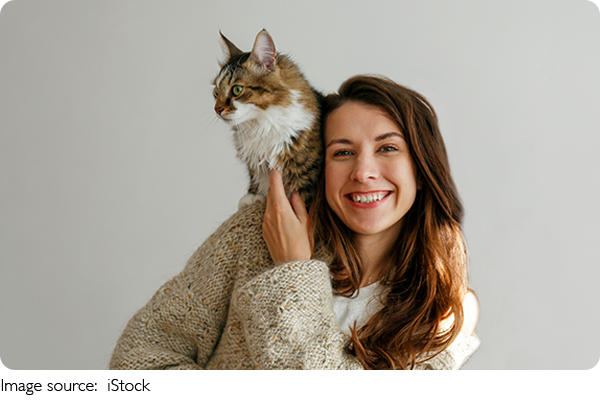
You are the moving heat source
Cats seek warmth more than most people realize. A cat's resting body temperature sits around 101 to 102 degrees Fahrenheit, higher than yours, so it constantly looks for warm spots to conserve energy. You are a portable radiator that also happens to open doors. That's why your cat pads after you into the kitchen on a cold morning and settles on the floor near your feet rather than the empty hallway.
Routine turns you into a cue
Cats are creatures of habit, and they track your daily patterns closely. If you feed them at 7 a.m., they start shadowing you around 6:45. A cat that follows you to the bathroom every morning isn't being nosy; it has just linked that room to the next thing in its day. Break the routine once and you'll see the confusion.
Following is a social gesture
Wild cats are largely solitary, but domestic cats have adapted to live in groups, and following is one way they stay connected. A cat that trails you from room to room is doing a low-key version of what littermates do, keeping company without demanding anything. Watch a bonded pair of cats in one home and you'll see the same behavior between them, one trailing the other to the food bowl or the sunny windowsill.
Some cats are checking on you
There's a real attachment angle too. Research from Oregon State University found that cats form secure bonds with their owners at rates similar to dogs and human infants, roughly two-thirds of cats showing a secure attachment style in the study. A cat that follows you after you've been away for a few hours is often just confirming you're back and things are normal. It's less surveillance and more a quick status update.
When following signals a problem
Not all shadowing is casual. A cat that suddenly clings to you, vocalizes more, and follows you constantly can be stressed or unwell. Crystal, a 9-year-old tabby I know, started following her owner into every room and meowing at the door within a week of a new neighbor's dog moving in. The behavior stopped once the dog settled down. If the change is sudden and comes with appetite or litter box changes, a vet visit is worth it.
How to handle a clingy follower
You don't need to shut your cat out, but you can shape the habit. Give it a predictable spot near you, a cat bed by your desk or a perch by the window, and reward it with a treat when it settles there. Play sessions of 10 to 15 minutes with a wand toy before you sit down to work burn off the energy that drives a lot of following. And if your cat follows you to the front door every time you leave, a puzzle feeder can give it something to do besides wait.
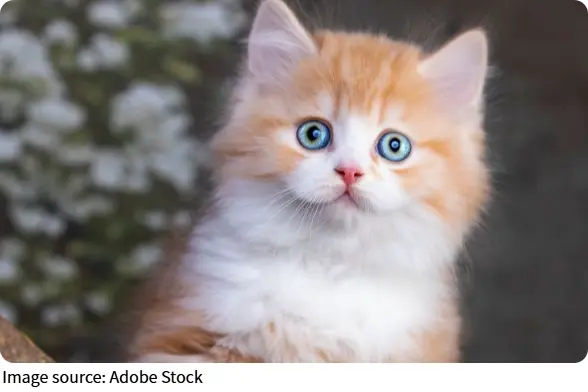
Following you around is one of the clearest signs your cat has decided you're worth the walk. Pay attention to when it happens, morning feedings, after work, during a stressful week, and you'll start reading the reason behind it. Next time those little paws trail you down the hall, you'll know it's not mystery. It's affection with a practical streak.