Sao Paulo GP Secrets!

Amit Sharma
| 06-11-2026
 · Travel Team
The São Paulo Grand Prix is one of the most distinctive events on the Formula 1 calendar. Its circuit, Autódromo José Carlos Pace, is better known as Interlagos and has a history that stretches back long before the championship first arrived in Brazil.
From an abandoned development plan to a major racing destination, the venue has developed several unusual characteristics. Here are five interesting details that help explain what makes Interlagos special.
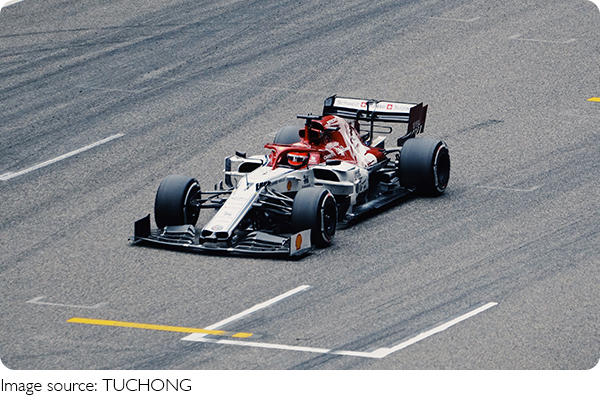
1. It Was Never Intended to Be a Racing Circuit
The land occupied by Interlagos was originally intended for a completely different purpose. In 1926, plans were drawn up for a residential development featuring buildings and accommodation. However, the Wall Street Crash of 1929 brought the original concept to a halt.
Nearly a decade later, the idea of creating a racing venue took shape. Construction began in 1938, with the designers drawing inspiration from established motorsport locations, including Indianapolis Motor Speedway and Brooklands. The circuit officially opened in 1940, giving São Paulo a dedicated destination for motor racing.
The name Interlagos also has an interesting explanation. In Portuguese, it means "between lakes," referring to the neighbourhood's position between two artificial bodies of water. The name became closely associated with the circuit and remains widely recognised by racing fans around the world.
2. São Paulo Has Produced Several Grand Prix Winners
Brazil has a long connection with Formula 1, and São Paulo has played an important part in that history. Several successful drivers have roots in the city, including Emerson Fittipaldi, Carlos Pace, Ayrton Senna, and Felipe. Interestingly, all four drivers won the Brazilian Grand Prix at Interlagos.
Other drivers born in São Paulo include Rubens Barrichello, Lucas di Grassi, and Gabriel Bortoleto. The city has therefore contributed competitors across different generations of motorsport. Interlagos also carries the name of one of its homegrown winners. The circuit was named after Carlos Pace, who won the Brazilian Grand Prix there in 1975.
3. The Area Is Known as the Land of Drizzle
Weather is one of the biggest variables at Interlagos. The circuit is associated with a local microclimate that can bring frequent drizzle and sudden changes in conditions. As a result, a race weekend may involve very different track conditions from one session to another. Rain has influenced the way the circuit is maintained, too. Certain sections of the track feature grooves designed to help water drain away from the surface. Similar drainage features can be found at Spa-Francorchamps in Belgium.
Such details are particularly useful when rainfall affects grip and visibility. Drivers must adjust their approach, while teams have to consider tyre choices and changing conditions when making race decisions. The area's nickname, "Land of Drizzle," reflects its reputation for wet weather. This unpredictable climate has become part of Interlagos' character and can make racing there especially challenging.
4. Interlagos Used to Be Almost Twice as Long
The circuit familiar to modern Formula 1 fans is considerably shorter than its original layout. When the championship first visited Interlagos in 1973, the track measured 7.960 kilometres per lap. Its long route included significant elevation changes, creating a very different driving experience from the one competitors face today.
Over time, concerns about the track surface and facilities led to major improvements. Interlagos eventually left the Formula 1 calendar, with the Brazilian Grand Prix moving to Jacarepaguá in Rio de Janeiro for a period. The venue returned in 1990 with a redesigned layout measuring approximately 4.325 kilometres. The changes made the circuit shorter and brought it closer to the compact tracks used in modern racing.
One of the most recognisable additions was the Senna S, a sequence of corners after the start-finish area named of Ayrton Senna. The revised layout retained challenging sections and elevation changes while creating the distinctive circuit that fans recognise today.
5. São Paulo Has a Rich Cultural Identity
Interlagos is located in São Paulo, a major urban centre with an estimated population of approximately 11.9 million people. The city offers much more than its connection to motorsport, with museums, art spaces, architecture, and a wide range of cultural influences.
Its identity has been shaped by generations of migration. Italian heritage is particularly visible in neighbourhoods such as Bixiga and Brás, where local communities continue to celebrate their traditions through cultural events and festivals. For visitors attending the Grand Prix, this provides an opportunity to experience another side of the host city. Exploring its museums, neighbourhoods, and cultural attractions can add another dimension to a trip centred on racing.
Interlagos has an unusual story that helps explain its lasting place in Formula 1. For racing fans, the circuit offers more than a challenging lap. Its origins, local character, and long association with Brazilian motorsport make the São Paulo Grand Prix a distinctive event on the calendar.