Exploring Traditional Attire

Caroll Alvarado
| 20-09-2026
 · Travel Team
Olojo Festival brings a strong sense of cultural expression to Ile-Ife, and clothing plays an important part in that atmosphere. Traditional attire allows participants to express heritage through fabric, color, patterns, and carefully chosen accessories.
For visitors and first-time attendees, understanding what to wear can make the experience more comfortable while also helping them appreciate the visual traditions surrounding the festival.
Traditional Clothing Takes Center Stage
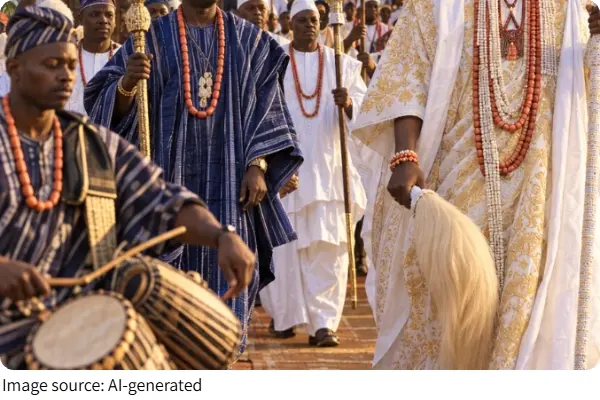
Traditional Nigerian clothing offers many choices for festival dressing. During Olojo Festival, participants may choose outfits inspired by Yoruba clothing traditions, with garments designed to create a polished and culturally connected appearance.
For men, traditional options can include a flowing agbada-style outfit, a tunic and matching trousers, or other coordinated native clothing. These outfits are often paired with a cap that completes the look. The choice can range from simple and comfortable designs to more elaborate clothing featuring detailed embroidery.
Women have a similarly broad range of options. Long dresses, coordinated blouse-and-skirt sets, and traditional wrapper combinations can create an elegant festival appearance. Matching headwear or a carefully arranged headpiece can also become an important part of the overall outfit.

Choosing the Right Fabric
Fabric can change both the appearance and comfort of traditional attire. Since festival activities may involve spending considerable time outdoors, lightweight materials can be practical for visitors who want to remain comfortable throughout the day.
Cotton and other breathable fabrics can work well in warm conditions. Heavier materials may create a more formal appearance but can feel less comfortable during extended outdoor activities. Texture is another detail worth considering. Smooth fabrics can produce a clean, understated look, while patterned or embroidered materials can add visual interest without requiring many accessories.
Colors and Patterns Matter
Traditional clothing is often recognized through its use of distinctive colors and patterns. Rather than following a single required color combination, visitors can select shades that complement their chosen outfit. Coordinating two or three colors can create a balanced appearance. A neutral base with a patterned accessory, for example, can keep the outfit simple while still reflecting traditional style.
Patterns can also be used selectively. An embroidered neckline, decorated cap, patterned wrapper, or detailed border can provide enough visual character without making the entire outfit feel overly busy.
Headwear and Accessories
Accessories can complete traditional festival clothing. For men, a traditional cap can coordinate with the main outfit, particularly when the fabric or decoration matches the clothing. Women may choose headwraps, scarves, or other traditional headwear. The arrangement can be simple or more structured depending on personal preference and the rest of the outfit.
Jewelry and small accessories can also complement the clothing. The key is coordination. When the fabric already contains detailed patterns or embroidery, a few carefully selected accessories may create a more balanced appearance than wearing many pieces at once.
Comfort Should Not Be Overlooked
Traditional style does not have to mean sacrificing comfort. Festival visitors may spend several hours walking, standing, watching activities, and moving between different areas, so practical choices are important. Footwear deserves particular attention. Comfortable sandals, flats, or other supportive shoes can be more suitable than footwear that becomes difficult to wear after several hours. The choice should also work with the length and style of the outfit.
Loose-fitting clothing can provide easier movement, while secure accessories can reduce the need for constant adjustments. A lightweight bag can also be useful for carrying personal essentials without interfering with the outfit.
How Visitors Can Dress Respectfully
Visitors who are unfamiliar with Yoruba traditional clothing can keep their choices respectful by learning about the general style before attending. Traditional-inspired clothing can be appropriate when it is worn thoughtfully rather than treated simply as a costume.
One practical approach is to choose established clothing styles and wear them neatly. Avoiding exaggerated designs or combinations that make movement difficult can help maintain a comfortable and appropriate appearance. It is also useful to remember that festival clothing varies from person to person. Some participants may prefer elaborate traditional outfits, while others may choose simpler designs. Both approaches can fit naturally into the wider visual character of the celebration.
What to wear during Olojo Festival depends on personal style, comfort, and how closely a visitor wants to embrace traditional Yoruba fashion. For first-time visitors, the best approach is to keep the outfit comfortable, coordinated, and respectful. Traditional attire can be both practical and stylish, allowing clothing to become part of the wider cultural experience without overshadowing the festival itself.