Snow Road Safety

Chandan Singh
| 28-07-2026
 · Auto Team
When we drive on snowy or icy roads, our mindset can make a big difference. The road surface may look familiar, but frozen areas can change the way our vehicle moves.
Before starting the journey, we should stay calm, focus on the road, and prepare ourselves for slower reactions.
While driving, we should carefully check the road ahead, use the three mirrors often, and pay attention to vehicles around us.
By knowing what is happening nearby, we can make smoother decisions and avoid sudden movements. A relaxed and careful attitude helps us handle changing road conditions with more confidence.
Reduce Speed Smoothly
One of the most important snow driving habits is controlling our speed. When roads become slippery, the distance needed to stop becomes longer. Driving too quickly can make it harder for us to react when something unexpected happens.
We should slow down, keep a steady pace, and avoid frequent passing. Sudden acceleration and sudden braking can easily make the vehicle lose grip. Instead, we can gently press the accelerator and brake slowly, giving the vehicle more time to respond.
A smooth driving style helps us keep better control and makes every trip more comfortable.
Start The Vehicle Carefully
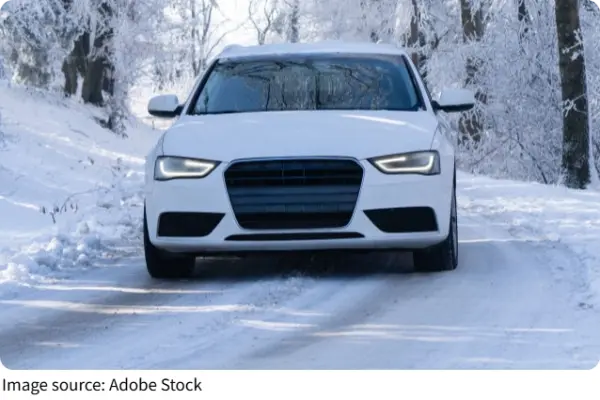
Starting on snow-covered roads requires patience. When we press the accelerator too quickly, the wheels may spin without moving the vehicle forward properly. This can reduce control and make it harder to move in the right direction.
We should begin with gentle acceleration and allow the vehicle to move slowly. Keeping a stable speed at the beginning helps the tires find better contact with the road.
When driving on snowy roads, we should also avoid using neutral gear while moving. Keeping the vehicle in a suitable gear allows us to maintain better control during the journey.
Slow Down Before Turning
Turning on icy roads requires extra attention. Before entering a curve, we should reduce speed early and choose a lower gear if needed. This helps the vehicle move through the turn more smoothly.
We should avoid braking suddenly while already in a curve. Braking during a slippery turn can make the vehicle move in an unwanted direction. Instead, we can slow down before the turn, keep the steering wheel steady, and gently guide the vehicle through the road.
Planning our actions ahead of time makes winter driving safer and less stressful.
Keep A Safe Distance
On snowy roads, keeping enough space between vehicles is very important. The vehicle in front of us may need more time to stop, and we also need extra room to react.
The correct distance depends on road conditions, snowfall, vehicle performance, and driving speed. We should observe the situation carefully and leave more space when the road looks slippery.
A little extra distance gives us more choices and helps us respond calmly if traffic changes suddenly.
Stay Calm During Problems
Sometimes, we may face situations where the road ahead is difficult to see or understand. At that moment, we should not rush. Instead, we can slowly reduce speed and move toward the right side of the road if stopping is necessary.
If the vehicle begins to slide, staying calm is very important. Sudden actions can make the situation harder to control. We should gently adjust the steering direction and avoid making quick movements.
Good preparation and a calm response can help us manage unexpected moments more effectively.
Keep Windows Clear
Snowy and rainy conditions can create a cloudy view through the windows. Clear visibility is essential because we need to see road signs, other vehicles, and changes around us.
Before and during driving, we should use the vehicle’s defogging function when needed. This includes both the front and rear windows. Keeping the glass clear helps us maintain a better view and make safer choices.
A few simple checks before driving can improve the whole journey.
Use The Right Method Uphill
Driving uphill on snowy roads can require extra skill. When facing a steep slope, we should keep enough distance from the vehicle ahead and prepare before reaching the hill.
Using a lower gear and maintaining steady power can help the vehicle move upward more smoothly. We should avoid changing gears halfway up because sudden changes may affect movement on slippery surfaces.
With proper speed control and preparation, climbing snowy slopes becomes much easier.
Enjoy Safer Winter Journeys
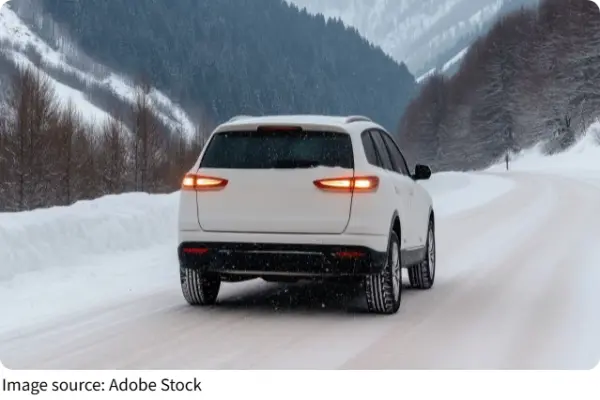
Winter roads demand respect, not fear. By reducing speed, increasing following distance, and making every control input gentle and deliberate, you transform a potentially stressful drive into a manageable one. Remember to clear your windows, plan your turns early, and stay calm if the vehicle begins to slide.
These habits become second nature with practice. Each snowy journey is an opportunity to sharpen your skills. Stay patient, stay visible, and enjoy the quiet beauty of winter driving—safely.