Juice vs. Smoothies

Nolan O'Connor
| 01-07-2026
 · Food Team
Hi, Friends! You have probably stood in front of a cafe menu or your own fridge at some point, staring at your fruits and wondering, "Should I juice these or blend them?"
It feels like a small question, but the answer actually makes a surprisingly big difference to how your body feels afterward. Let's break it all down together, gently and clearly.
How Each One Is Made
Juice is the liquid part of fruits and vegetables, made by extraction, which means the liquid is separated from the rest of the plant. That separation is key. A juicer extracts the liquid and nutrients from the ingredients, but leaves behind the natural fiber that promotes healthy digestion.
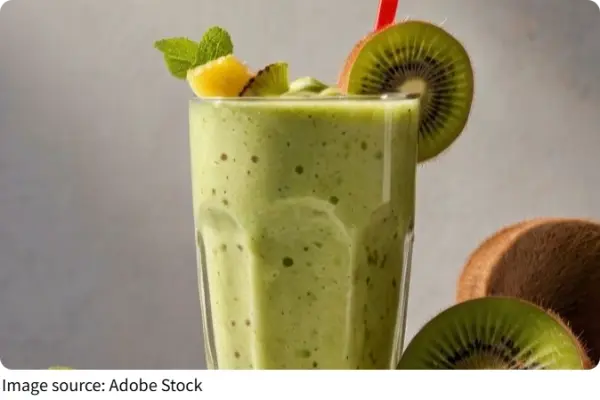
Smoothies work quite differently. A smoothie is a blend of fruits, vegetables, and other ingredients, made by blending different foods together. Unlike juice, nothing is removed or extracted when a smoothie is made, so everything the original foods contain, including water, nutrients, sugar, and most importantly, fiber, remain in the final concoction.
The Big Fiber Story
This is honestly the heart of the whole conversation. The main difference between juices and smoothies is their fiber content. Juice does not contain much fiber because it is removed during extraction. If a juice has pulp, it might have a small amount of fiber, but not a lot.
Smoothies, on the other hand, keep everything intact. Smoothies are blended, which preserves the essential fiber in the fruits and vegetables being used. You may feel fuller after drinking a smoothie, and you can thank the fiber for that. It is also key in helping your digestive system function as it should.
Texture and Taste
The experience of drinking each one is genuinely different, and that matters more than people think. Since juice tends to have little to no pulp, it is typically thin and smooth. A smoothie is thicker and creamier than a juice because it uses softer ingredients and has more pulp.
Another important difference is the necessity of a liquid. Juice does not need added water because raw ingredients produce juice once inserted into a juicer, and raw juices tend to have a rich flavor. Smoothies, on the other hand, need a liquid like water or milk to facilitate the blending process, and adding liquid can dilute the flavor a little.
Sugar and Blood Sugar
Here is something that surprises a lot of people. Both smoothies and juice contain sugar from fruits, but juice tends to be a more concentrated source of sugar because of how it is extracted. Think about it this way: it takes a lot of oranges to make orange juice. One navel orange contains 12 grams of sugar, but a cup of juice contains 22 grams.
Juice does not contain many other macronutrients like protein, fiber, or lipids, so it is more likely to cause a blood sugar rollercoaster that leaves you tired and hungry. A smoothie tends to be more balanced in that way.
Nutritional Flexibility
One of the most beautiful things about smoothies is how customizable they are. This is especially true when smoothies are made with other ingredients besides just fruits and vegetables. When you add foods like nuts, seeds, or protein powder to smoothies, you are adding protein, healthy lipids, and possibly extra fiber too.
Smoothies provide more nutritional flexibility. If you want more fiber, you can add chia seeds or ground flaxseed. If you want more protein, you can add protein powder. If you want more plant-based nutrients but find fresh produce hard to manage, you can use frozen fruits and vegetables instead.
When Each One Shines
Neither drink is the villain here, and that is so important to remember. Juice delivers a concentrated dose of vitamins and antioxidants in a refreshing, easy-to-drink form, while smoothies provide a more filling, fiber-rich option that keeps you satisfied longer. Due to their higher content of fiber, smoothies typically take longer to digest than juices because the body has to work harder to draw the nutrients from the insoluble fiber.
Juices contain only soluble fiber and are therefore digested much faster, allowing for a quick boost of energy that smoothies just cannot provide. Juicing may be especially helpful if you have a gastrointestinal issue and are trying to avoid fiber.

So here is the takeaway, friends: both smoothies and juices have a real and worthy place in a healthy lifestyle. If you need a fast, light nutrient hit, reach for a juice. If you want something filling, flexible, and rich in fiber that can carry you through a busy morning, a smoothie is your best friend. The real win is simply getting more fruits and vegetables into your day, in whatever form feels right for you. Which one are you reaching for next?