Alert Uinta Ground Squirrel

Caroll Alvarado
| 11-06-2026
 · Animal Team
Have you ever spotted a small animal standing upright on a rocky hillside, carefully watching everything around it? If so, you may have seen the Uinta Ground Squirrel.
This fascinating creature is one of the most recognizable small mammals found in the mountain and plateau regions of western North America.
Although it is small in size, the Uinta Ground Squirrel plays a valuable role in nature. From digging underground tunnels to helping plants spread across the landscape, this energetic animal contributes to the balance of its environment in many ways. Let’s explore its appearance, habits, and ecological importance in greater detail.
What Does the Uinta Ground Squirrel Look Like?
The Uinta Ground Squirrel is a compact animal with a body designed for life on open grasslands and mountain slopes.
Its total body length, including the tail, ranges from about 20 to 28 centimeters (8 to 11 inches). Most individuals weigh between 150 and 250 grams, making them light and agile.
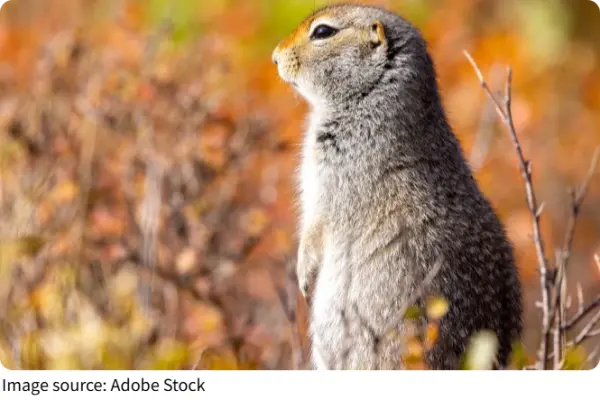
Its fur is usually brownish-gray, helping it blend into grassy and rocky surroundings. Some individuals display a reddish tint across the back. The underside is lighter in color, creating a subtle contrast.
One of its most noticeable features is its fluffy tail. While not as long as tree-dwelling squirrels, it provides balance and helps with communication. Large, watchful eyes allow it to detect movement from a distance, while its small rounded ears help it stay aware of sounds around the burrow.
Where Does It Live?
The Uinta Ground Squirrel is native to parts of the western United States, including Utah, Colorado, Wyoming, and Idaho.
It prefers open habitats where visibility is good. Common locations include alpine meadows, grassy plains, sagebrush-covered areas, and rocky mountain slopes. These environments provide both food resources and suitable places for digging.
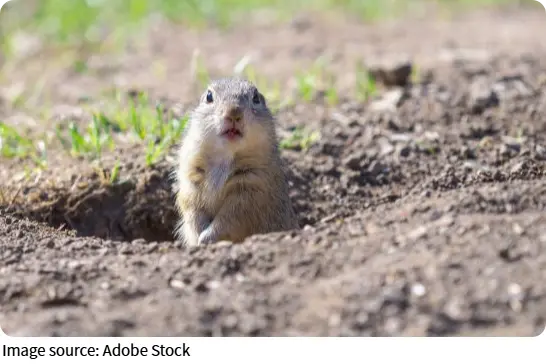
One of the most impressive aspects of this animal is its underground home. It creates complex tunnel networks that may extend up to 3 meters (10 feet) in length. These tunnels serve several purposes, including shelter, nesting areas, food storage spaces, and hibernation chambers.
The underground system also offers protection from weather conditions and natural enemies.
What Does It Eat?
The Uinta Ground Squirrel mainly feeds on plant-based foods.
Its daily menu often includes seeds, nuts, grasses, leaves, flowers, and various herbaceous plants. During seasons when food is abundant, it spends many hours gathering resources.
Occasionally, it may consume insects and other tiny invertebrates, providing additional nutrients.
Most feeding takes place on the ground. While searching for food, the squirrel frequently pauses and rises onto its hind legs. This behavior allows it to scan the surroundings for possible danger before continuing its meal.
Food storage is another important survival strategy. Extra supplies are sometimes carried back to underground chambers for future use.
Daily Life and Social Behavior
The Uinta Ground Squirrel is active during daylight hours. Activity levels are usually highest in the morning and again during the late afternoon when temperatures are more comfortable.
These animals often live near one another in loose colonies. Even though several individuals may occupy the same general area, each squirrel carefully protects the space around its own burrow entrance.
Communication is surprisingly advanced. When a threat is detected, squirrels produce sharp chirps and whistles. Tail movements are also used to send visual signals. These warning calls alert nearby members of the colony, allowing them to quickly seek safety.
Their constant awareness is one reason they are considered among the most vigilant small mammals in their habitat.
Reproduction and Family Life
Breeding begins in early spring, shortly after individuals emerge from hibernation.
After a pregnancy lasting approximately 25 to 30 days, females usually give birth to a litter of four to eight young.
The newborns remain safely underground during the early stages of development. Their mother provides nourishment and protection until they are capable of surviving independently.
As the young grow stronger, they gradually begin exploring the world above ground and learning important survival skills such as foraging and recognizing warning signals.
An Important Part of the Ecosystem
Despite its modest size, the Uinta Ground Squirrel plays a significant role in its environment.
Its digging activity loosens and aerates the soil, improving water movement and creating healthier conditions for plant growth.
It also contributes to seed dispersal, as stored or carried seeds may later germinate and support vegetation growth.
In addition, the species serves as a food source for natural predators such as birds of prey, foxes, and coyotes. Through these interactions, it becomes an essential link within the ecosystem.
Challenges and Conservation Status
The Uinta Ground Squirrel is currently classified as a species of least concern, with stable populations across much of its range.
However, habitat changes caused by agriculture, urban expansion, and environmental variation can affect local populations. Because this species depends on healthy grassland and mountain ecosystems, habitat protection remains important.
Maintaining open natural landscapes benefits not only this species but also many other plants and animals sharing the same environment.
Interesting Facts About the Uinta Ground Squirrel
- It can spend more than half of the year underground during hibernation.
- Some burrow systems may reach lengths of around 3 meters.
- Its alarm calls quickly alert nearby colony members.
- Food is sometimes stored underground for later use.
- During its active season, it constantly scans its surroundings for predators.
Why This Small Animal Deserves Attention
The Uinta Ground Squirrel may be small, but its role in mountain and grassland ecosystems is significant. By aerating soil, dispersing seeds, and supporting local food webs, it helps maintain environmental balance.
Its alert behavior, complex burrow systems, and adaptability show how even small animals can have a meaningful impact on nature.
Next time you see a ground squirrel standing upright on a hillside, take a moment to appreciate its important role in the ecosystem around it.