Dragon Boat Activities!
Owen Murphy
| 17-06-2026
 · Travel Team
What’s up, Lykkers? When people think of the Dragon Boat Festival, two things usually come to mind: thrilling dragon boat races and delicious zongzi. However, this centuries-old celebration, known as Duanwu Jie, includes many other fascinating customs that reflect Chinese culture, seasonal traditions, and community life.
While some practices remain common today and others are less frequently seen, they all reveal how people have celebrated this special festival for generations. Let's explore some of the most interesting Dragon Boat Festival traditions.
1. Dragon Boat Racing
Dragon boat racing is the most iconic activity associated with the festival. With a history spanning more than 2,000 years, the tradition began in southern China and has since developed into an internationally recognized sport. During races, teams paddle long, decorated boats in perfect synchronization while following the rhythm of a drummer seated at the front. The combination of speed, teamwork, and coordination makes dragon boat racing both exciting to watch and challenging to compete in.
Today, races are held not only throughout China but also in countries across Asia, Europe, North America, and Australia, making it one of the festival's most widely celebrated traditions.
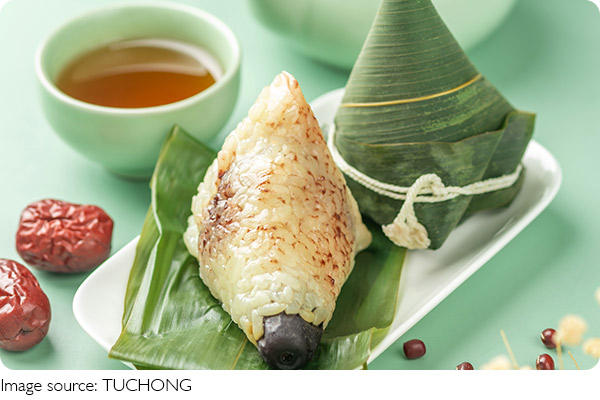
2. Eating Zongzi
No Dragon Boat Festival celebration feels complete without zongzi, a traditional sticky rice dumpling wrapped in bamboo or reed leaves. The ingredients vary significantly by region. In northern China, sweet fillings such as red dates are particularly popular. Southern varieties often include savory ingredients like salted egg yolk, mushrooms, or meats.
Families frequently prepare zongzi together before the festival, turning the process into a cherished social activity. The unique triangular shape and rich flavors have helped make zongzi one of China's most beloved seasonal foods.
3. Hanging Calamus and Wormwood
Another long-standing custom involves hanging calamus and wormwood on doors and windows. These aromatic plants are valued for their distinctive fragrance and have traditionally been used during the warmer months of the year. Their strong scent naturally helps discourage insects, making them especially useful as temperatures rise.
In many households, bundles of these plants are displayed at entrances, adding a touch of greenery while connecting families to long-established festival traditions.
4. Wearing Fragrant Sachets
Children often wear colorful perfume pouches, also known as fragrant sachets, during the Dragon Boat Festival. These small hand-sewn bags contain aromatic herbs and natural ingredients, giving off a pleasant scent throughout the day. They are often embroidered with decorative patterns, animals, flowers, or lucky symbols. Beyond their fragrance, these sachets showcase traditional craftsmanship and are commonly exchanged as thoughtful gifts between family members and friends.
5. Painting Children's Foreheads
A particularly unique custom involved using realgar-based markings to paint symbols on children's foreheads. The most common design was the Chinese character, which resembles the markings often associated with a tiger. In Chinese culture, the tiger has long symbolized strength, confidence, and vitality. This tradition was especially popular among families with young children and added a playful, festive element to the holiday.
6. Tying Five-Color Silk Threads
In some regions, parents tie bracelets made from five-colored silk threads around their children's wrists. The colors—green, red, white, black, and yellow—have special significance in traditional Chinese culture and are often associated with harmony and balance. These colorful bracelets are simple to make yet highly symbolic, making them a beloved part of the festival. Many families continue this tradition today as a way to connect younger generations with their cultural heritage.
Other Lesser-Known Customs
Beyond these traditions, the Dragon Boat Festival has inspired many other local activities over the centuries. Some communities enjoy herbal baths, while others organize games such as balancing eggs at noon, a popular challenge believed to bring good fortune if successful. Regional customs vary widely across China, reflecting the country's cultural diversity and the creativity of local communities.
The Dragon Boat Festival is far more than a day of boat races and rice dumplings. Which of these traditions would you most like to experience? Exploring the customs of Duanwu Jie reveals that every celebration carries stories, creativity, and traditions that continue to connect generations today.