Urbanization's Impact

Declan Kennedy
| 26-03-2026
 · Lifestyle Team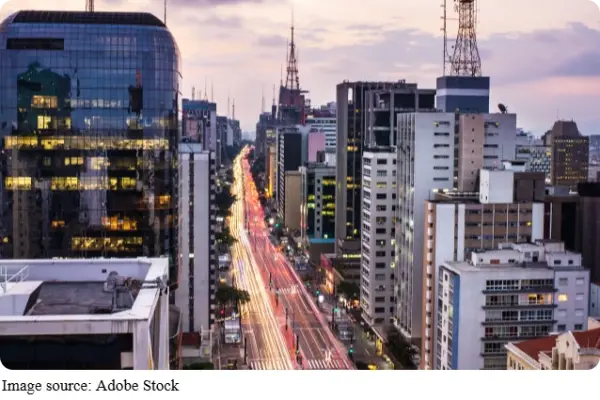
Have you ever noticed how cities seem to spread endlessly, swallowing up every available patch of land?
It's easy to be swept up in the excitement of urban growth—the bright lights, the bustling streets, the conveniences of modern life.
But as more and more land is transformed into urban spaces, we're forgetting one crucial aspect: the habitats that used to thrive there.
With cities expanding, we're seeing an alarming loss of biodiversity, and it's not just about losing trees or animals; it's about the entire ecosystem that we rely on for a balanced world.
Urban sprawl often means the destruction of forests, wetlands, grasslands, and other vital ecosystems. These areas are home to countless species of animals and plants, many of which can't survive the rapid changes that come with development.
Learn how to create fun, safe, and adaptable spaces children will love.
Is an Open Kitchen Right for You? Discover the Benefits and Challenges of Open-Concept Kitchens
Want a more functional bathroom? Try these wet-dry separation ideas!
Want a more efficient kitchen? Here's how smart layout design can help!
Simple Design Tricks to Maximize Natural Light Every Day
Why walls, fabrics, and finishes shape mood more than color does
Habitat Loss: The Hidden Crisis
One of the biggest threats urbanization poses to biodiversity is habitat loss. When forests are cleared for buildings, roads, or shopping centers, animals lose their homes. This forces them to either migrate to already crowded areas or face the risk of extinction.
- Forest Clearing: The cutting down of forests to make room for new buildings is devastating for wildlife that relies on these habitats for food and shelter. Species like the red fox and even some birds of prey are displaced as their forest homes vanish.
- Wetland Destruction: Wetlands are vital for maintaining water quality, controlling floods, and providing habitat for wildlife. Yet, they are often drained to make room for urban developments. This puts species like frogs, turtles, and migratory birds at risk.
- Fragmentation of Habitats: Even if some green spaces remain, urban expansion often fragments these habitats into smaller, isolated patches. Species may no longer be able to find food or mates, leading to population declines.
Climate Change and Urban Heat Islands
Cities are also contributing to climate change, which further threatens biodiversity. The phenomenon of "urban heat islands" is a perfect example. Cities tend to be hotter than surrounding rural areas due to human activities and the heat-retaining properties of concrete and asphalt. This increased heat makes it harder for local plant and animal life to thrive.
- Rising Temperatures: Species that have adapted to cooler climates may not survive in increasingly hot urban environments. Local flora and fauna that once thrived in a particular area might find it too warm or dry to continue living there.
- Pollution: Cities are hotbeds for pollution—air, water, and soil contamination all impact the health of local ecosystems. Polluted air affects plants' ability to photosynthesize, while contaminated water supplies harm fish and other aquatic life.
How Urban Design Can Help Wildlife
While urbanization poses significant challenges to biodiversity, it doesn't have to be all doom and gloom. Smart urban planning can make a big difference in preserving wildlife habitats and creating cities that coexist with nature.
- Green Spaces: Adding parks, green roofs, and community gardens throughout urban areas helps preserve natural ecosystems and provide wildlife with safe havens. Even small green spaces can support pollinators like bees and butterflies, which are crucial for plant reproduction.
- Wildlife Corridors: These are pathways designed to connect fragmented habitats, allowing animals to safely travel between areas. Cities like Vancouver have implemented wildlife corridors, which help species like deer and raccoons safely move through urban environments.
- Eco-friendly Building Practices: Incorporating sustainable architecture that mimics natural habitats—such as living walls, rooftop gardens, or rainwater collection systems—can support local wildlife. By building structures that integrate with nature, we can make space for both humans and animals.
Taking Action: What You Can Do
The good news is that we can all help protect wildlife in urban areas, even in small ways. If you live in a city, there are simple things you can do to make your environment friendlier to nature.
- Plant Native Species: Native plants are best suited to local ecosystems, providing food and shelter for local wildlife. Whether in your garden or on your balcony, planting native flowers, shrubs, or trees helps support pollinators and local fauna.
- Support Urban Green Initiatives: Advocate for more parks, green spaces, and sustainable building projects in your city. Local governments often listen to citizens who care about the environment, and your voice can help bring positive change.
- Reduce Pollution: Cutting back on pollution can make a big difference for wildlife. Whether it's driving less to reduce air pollution or using eco-friendly products that don't harm water systems, every little step counts.
Embracing a Sustainable Future
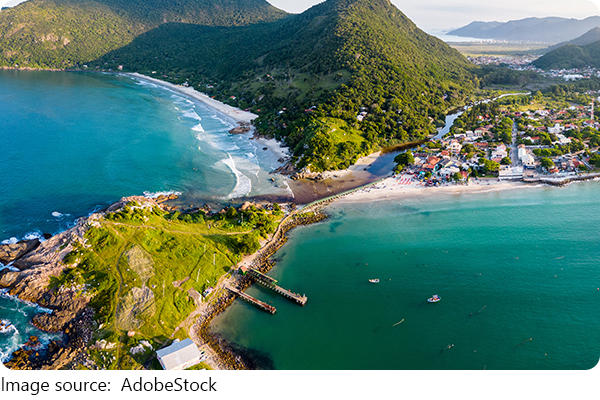
As cities grow, the pressure on biodiversity intensifies. But it's not too late to change our trajectory. By adopting smarter, more sustainable urban planning, we can ensure that our cities and the wildlife that surrounds them can thrive together.
Every small action—from supporting green spaces to reducing our environmental impact—adds up. And as urban populations continue to swell, it's crucial that we take steps to protect the precious ecosystems that help keep our world in balance.