Security vs. Privacy

Mason O'Donnell
| 26-03-2026
 · Science Team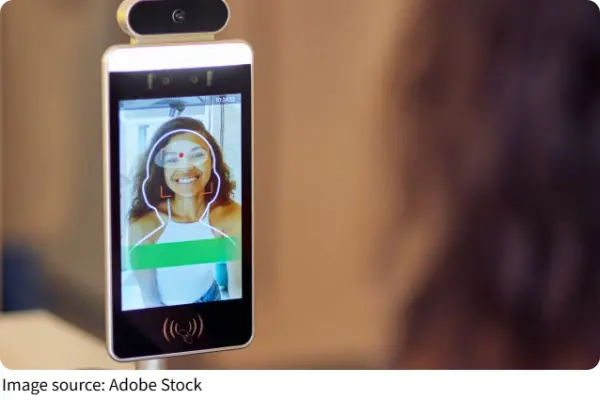
In today's technology-driven world, biometric recognition systems are making waves in both the private and public sectors.
From unlocking smartphones to ensuring airport security, these systems seem to make life more convenient and secure. But as their use becomes more widespread, concerns about privacy and potential misuse are rising.
How do we balance convenience with security?
The Rise of Biometric Systems
Biometric recognition systems are designed to identify individuals based on unique physical characteristics, such as their fingerprints, voice patterns, or eye scans. These technologies are becoming more commonplace in various applications, from banking apps to public safety measures. The ease of use and security they offer make them a popular choice for authentication.
How next-gen telescopes are reshaping our view of the cosmos.
How international teams are reshaping exploration on the Red Planet.
Discover how countries unite in orbit for science and innovation.
How searching for life beyond Earth reshapes our understanding of the universe.
How space stations stay alive with energy and support systems.
How Space Telescopes Uncover the Life Cycle of the Universe.
However, their increasing use raises questions about how personal data is collected, stored, and potentially exploited. While these systems offer convenience, they also open the door to potential misuse in the wrong hands.
Privacy Concerns: Who Owns Your Data?
One of the biggest concerns surrounding biometric technology is the question of who owns and controls the data. Unlike passwords or PINs, biometric data cannot be easily changed if it is compromised. Once a person's biometric data is collected, it is essentially a part of them. The fear is that this highly sensitive data could be used without consent or even fall into the wrong hands, leading to identity theft or unauthorized surveillance.
Moreover, biometric systems often collect data from a large number of individuals, sometimes without their explicit knowledge or consent. This raises ethical questions about privacy rights and the degree to which individuals can control their personal information.
Government and Corporate Surveillance
With biometric systems becoming more common in public spaces like airports, train stations, and even streets, there are growing concerns about the potential for unchecked surveillance. Cameras equipped with biometric recognition technology can track individuals without them knowing. Governments and private companies are using these technologies for everything from border security to monitoring public behavior.
The potential for surveillance can be seen as a double-edged blade. On the one hand, it offers enhanced security. On the other hand, it opens the door to mass monitoring, raising fears about the erosion of civil liberties and personal freedoms. As biometric systems become more widespread, society will need to determine the limits of their use and ensure proper regulations are in place to prevent misuse.
Regulating Biometric Technology
To address these concerns, many experts argue that clear regulations need to be put in place to protect individuals' rights. For example, laws should ensure that biometric data is collected only with informed consent, stored securely, and used only for specific, lawful purposes. Additionally, individuals should have the right to access, update, or delete their biometric data at any time.
Furthermore, transparency is key. Governments and corporations using biometric systems must disclose how data is collected, how long it is stored, and how it is protected. This will help build public trust in the technology and ensure that it is used responsibly.
The Future of Biometric Recognition
Despite the privacy concerns, biometric recognition technology continues to evolve, offering innovative solutions for security and convenience. As the technology matures, it will likely play an even greater role in everyday life. However, with this progress comes the need for responsible oversight to ensure that the technology is used ethically and does not infringe on people's privacy rights.
The future of biometric systems will depend on the development of strong, clear policies that prioritize privacy and data protection. The debate will continue as we navigate the balance between security and personal freedom.