Planting Peach Trees

Ethan Sullivan
| 27-03-2026
 · Travel Team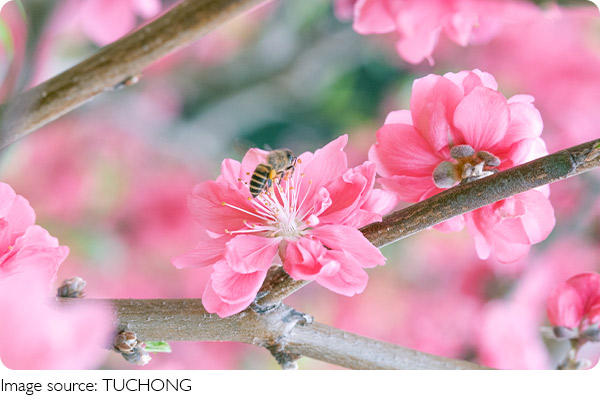
Planting a peach tree is more than just adding greenery to your garden—it is an investment in fresh, juicy fruit that can be harvested for years to come.
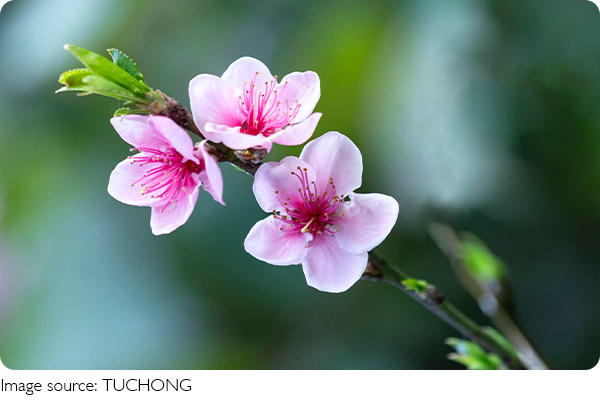
With attentive care and thoughtful planning, peach trees flourish, delighting gardeners with their fragrant spring blossoms and succulent summer fruit.
Understanding the needs of a peach tree—from soil and sunlight to pruning and pest management—is essential for a successful harvest.
Choosing the Right Location and Variety
The first step in peach cultivation is selecting the appropriate site and tree variety.
1. Sunlight Requirements
Peach trees need full sun, ideally at least 6–8 hours of direct sunlight daily, to produce abundant fruit and maintain healthy growth.
Experience Turquoise Waters, Overwater Villas, and Tropical Bliss
Explore Stunning Beaches, Temples, and Cultural Wonders
Explore Stunning Landscapes, Ancient Cities, and Vibrant Culture
See the World’s Tallest Active Geyser & Yellowstone Wonders Up Close.
Complete Guide to Tasman Glacier Lake: Tickets, Tours, Hotels, Dining, and Insider Tips for South Island Adventure!
Top 5 Cities for Digital Nomads and How to Legally Work There!
2. Soil Conditions
Well-drained sandy loam soils with a pH of 6.0–7.0 are ideal. Avoid low-lying areas where water can accumulate, as this can cause root rot.
3. Selecting Varieties
Choose varieties suited to your climate and chill-hour requirements. Early, mid, and late-season varieties allow for extended harvest periods. Popular varieties include ‘Elberta,' ‘Redhaven,' and ‘Contender.'
Planting Your Peach Tree
Proper planting ensures a strong foundation for growth.
1. Timing
Plant dormant trees in early spring or late winter when the soil is workable.
2. Planting Steps
• Dig a hole twice as wide and deep as the root ball.
• Loosen roots gently and place the tree at the correct depth.
• Backfill with soil, firm gently, and water thoroughly.
3. Spacing
Standard peach trees require 15–20 feet between trees, while dwarf varieties need 10–12 feet. Proper spacing reduces competition for nutrients and sunlight.
Care and Maintenance
Maintaining peach trees ensures healthy growth and consistent fruit production.
- Watering
Regular deep watering is crucial, especially during the first two years. Avoid overwatering, which can encourage root disease.
- Pruning
Annual pruning in late winter promotes airflow, sunlight exposure, and fruit quality. Remove dead or diseased branches and shape the tree for manageable growth.
- Pest and Disease Management
Monitor for common pests such as aphids, borers, and mites. Apply recommended organic or chemical treatments as needed. Prevent fungal diseases with proper spacing, pruning, and sanitation.
- Fertilizinɡ Your Peach Tree
Proper fertilization helps peach trees build strong roots, promote healthy growth, and produce abundant, high‑quality fruit. Peach trees need a balance of the main nutrients—nitrogen (N), phosphorus (P), and potassium (K)—for overall growth, flowering, and fruiting.
✔️ Best Fertilizer Type
A balanced complete fertilizer like a 10‑10‑10 or 12‑12‑12 (equal parts N‑P‑K) is recommended, especially for young or newly planted trees.
For established, fruit‑bearing peach trees, gardeners often shift to a formula with slightly higher nitrogen and potassium (for example, 12‑6‑6 or 15‑10‑15) to support vigorous shoot growth and fruit development.
✔️ How Much to Apply
Newly planted peach trees usually need only about ½ cup of balanced fertilizer at their first fertilization.
For young trees up to about five years old, increase the amount gradually—about 1 pound of fertilizer per year of age.
Mature peach trees often need around 5 pounds of fertilizer per application in spring when active growth begins.
Always spread fertilizer around the drip line (about 8–12 inches from the trunk) rather than right next to the trunk to avoid root damage and ensure nutrients reach the feeder roots.
✔️ When to Fertilize
Early spring when soil becomes workable
Late spring to early summer for established trees
Avoid fertilizing late in the season (after July 1) to prevent new growth that could be damaged by frost.
Harvesting and Reflection
Peach trees typically produce fruit 2–4 years after planting. Fruit is ready to harvest when it is fragrant, slightly soft, and fully colored. Harvesting regularly encourages continued fruit production.
Growing a peach tree is a journey of patience, observation, and care. Watching buds bloom in spring and picking ripe peaches in summer creates a tangible connection to nature's cycles. Beyond the delicious fruit, cultivating a peach tree fosters mindfulness, satisfaction, and the joy of nurturing life from root to fruit. Each tree planted is not just an addition to your garden—it is a lasting source of nourishment, beauty, and pride.