Hydrogen Supply

Caroll Alvarado
| 20-03-2026
 · Auto Team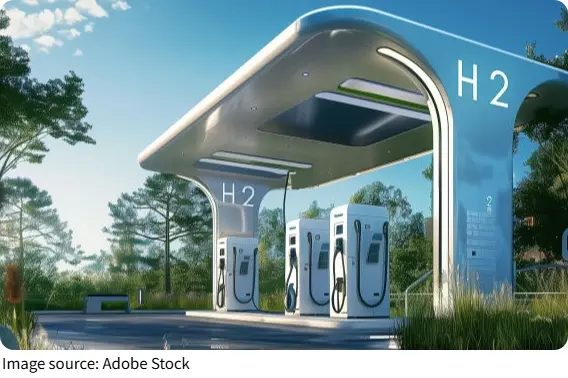
You've probably seen the hype around hydrogen as a clean fuel, but behind every hydrogen-powered car or industrial application is a complex web of production and delivery.
Getting hydrogen from its source to the end user safely, efficiently, and sustainably is far from simple.
Understanding the supply chain challenges sheds light on why hydrogen adoption is moving slower than expected.
Production Challenges
Hydrogen doesn't exist freely in nature; it must be produced from other sources, and the method of production heavily influences sustainability.
1. Electrolysis energy demands: Splitting water into hydrogen and oxygen requires electricity. Using renewable energy keeps emissions low, but the process consumes large amounts of power. For example, producing one kilogram of hydrogen via solar-powered electrolysis can require several tens of kilowatt-hours of electricity, meaning availability depends on energy infrastructure.
Why more drivers are rethinking EVs and how to change old habits
Easy steps to restore your car's paint and hide small scratches.
Practical ways to cut fuel costs and improve driving efficiency.
Match your lifestyle with the right vehicle for comfort, cost, and future needs.
Discover how turbochargers dramatically enhance speed and efficiency.
Find the right blend to keep your windshield clean and streak-free
2. Steam methane reforming: The most common method uses natural gas to generate hydrogen, but it emits carbon dioxide. To offset this, carbon capture technologies are needed, which add cost and complexity. A company planning to supply hydrogen for local transportation must balance efficiency, emissions, and cost.
3. Scaling sustainably: Small pilot plants can demonstrate low-carbon hydrogen, but scaling up to serve cities or regions requires massive investment in renewable energy and production facilities.
Addressing production efficiency and emissions is critical before hydrogen can become a mainstream energy source.
Storage and Transportation
Hydrogen's properties make it tricky to store and move, which impacts both cost and safety.
1. High-pressure storage: Hydrogen gas must be compressed to hundreds of bar to be stored in tanks or pipelines. These tanks must meet strict safety standards to prevent leaks or accidents. For example, a local delivery hub may use cylindrical tanks rated for 700 bar to store enough fuel for fleet vehicles.
2. Liquefaction challenges: Cooling hydrogen to a liquid state reduces volume but requires extremely low temperatures, around -253°C. This process is energy-intensive and adds to the overall carbon footprint.
3. Transportation logistics: Pipelines are efficient but expensive and limited to certain routes. Trucking compressed or liquefied hydrogen is flexible but costly. A regional hydrogen distributor must carefully plan routes, storage points, and backup systems to maintain reliable delivery.
Even when hydrogen is produced sustainably, getting it to consumers without adding emissions is a complex task.
Infrastructure and Integration
A hydrogen supply chain isn't just production and delivery—it's about integrating with refueling stations and industrial users.
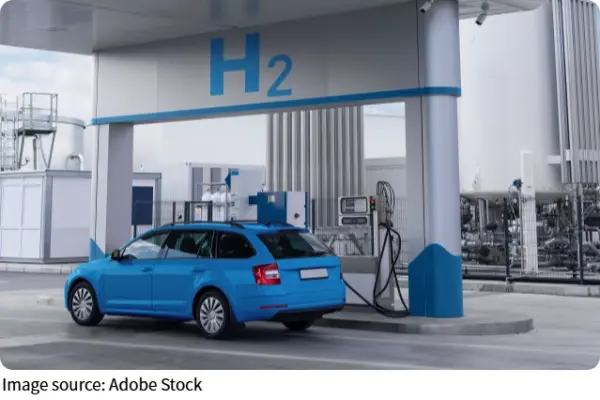
1. Refueling station density: Sparse stations limit the practical range for hydrogen vehicles. Cities or regions attempting to adopt hydrogen fleets must invest in strategically located fueling points, which can cost millions to build.
2. Pipeline and grid integration: Hydrogen can be blended into existing natural gas pipelines in small percentages, but transporting pure hydrogen often requires dedicated pipelines. Cities exploring hydrogen heating or transport solutions need careful planning to avoid safety risks.
3. Coordination with renewable energy: Linking hydrogen production to renewable energy sources helps sustainability but requires predictive energy management. For instance, solar-powered electrolysis must operate when energy is available, or surplus renewable electricity must be stored elsewhere.
Proper infrastructure ensures the supply chain is both reliable and environmentally friendly.
Economic and Policy Considerations
Even if production and logistics are solved, economic and regulatory factors shape the supply chain.
1. High initial investment: Hydrogen plants, storage facilities, and refueling stations require significant capital. Companies often need government incentives or partnerships to make projects viable.
2. Market demand uncertainty: Hydrogen adoption varies by sector. Fleet operators, industrial users, and transportation agencies have different requirements, making demand forecasting difficult. A misjudged investment could leave stations underutilized.
3. Policy and standards: Regulations on safety, emissions, and infrastructure design differ between regions. Aligning technology and operations with evolving policies is essential for sustainable supply chains.
Policy and market support play a decisive role in whether hydrogen can become a practical energy solution.
The Path Forward
Overcoming hydrogen supply chain challenges requires innovation, coordination, and investment.
1. Improved production methods: Research into cheaper, lower-emission electrolysis and alternative feedstocks can make hydrogen more sustainable.
2. Advanced storage and transport: New tank designs, pipelines, and energy-efficient liquefaction methods can reduce costs and emissions.
3. Strategic infrastructure deployment: Prioritizing refueling hubs in high-demand corridors and integrating hydrogen with renewable energy ensures practicality and sustainability.
Hydrogen holds enormous promise for clean energy, but only by addressing production, storage, transportation, infrastructure, and policy challenges together can it move from a niche technology to a mainstream solution. Understanding these supply chain complexities is the first step toward making hydrogen a realistic part of the energy mix.