Cuba’s Green Magic Awaits

Ethan Sullivan
| 06-03-2026
 · Travel Team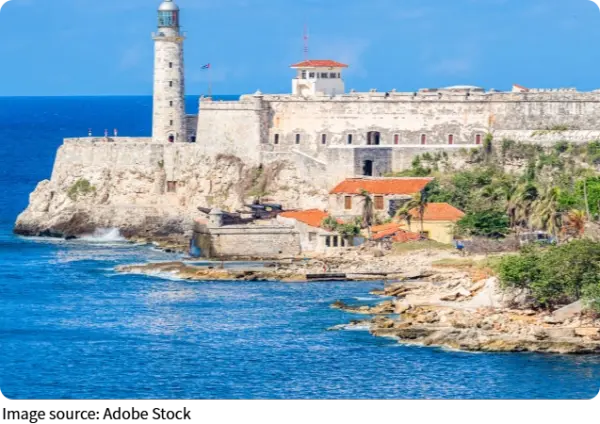
In a world grappling with climate change and overtourism, Cuba emerges as an unexpected beacon of sustainable travel.
With its pristine landscapes, low-carbon lifestyle, and deep-rooted conservation efforts, this Caribbean gem offers a blueprint for responsible exploration.
Sustainability Leader
Ranked among the world’s top sustainable nations in the 2024 Global Sustainable Development Report, Cuba outperforms 80% of countries, including the USA and many European nations. Its success stems from necessity—decades of limited resources forged a culture of recycling, reuse, and minimal waste.
Protected Natural Wonders
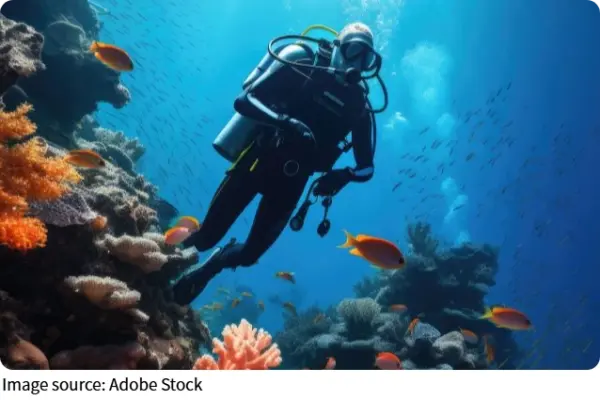
A staggering 25% of Cuba’s land is protected, housing six of the Caribbean’s 13 Biosphere Reserves. From lush rainforests to untouched coral reefs, its ecosystems thrive, sheltering species found nowhere else on Earth.
Can a silent desert steal your breath? One visit—and you’ll question everything you thought you knew about wonder.
Swim with turtles, hike sky bridges, and sip rainforest coffee. Can Queensland top your dream list?
Discover Romania’s Hidden Skiing Paradise – Where Adventure Meets Tranquility!
Experience unforgettable adventures at Volcán Arenal, from breathtaking views to soothing hot springs!
Unforgettable adventures await in Rome; discover secrets to navigate its bustling beauty effortlessly!
A remote island of wonders, Isla Robinson Crusoe invites you to explore its untouched beauty and fascinating history!
Isolation as Protection
While neighboring islands embraced mass tourism. Today, travelers discover pristine beaches, rare wildlife, and landscapes unspoiled by overdevelopment.
Constitutional Commitment
Cuba’s dedication to sustainability is enshrined in law. Strict regulations protect marine reserves, forests, and endangered species, ensuring long-term ecological balance.

Stay Like a Local
Skip big hotels—opt for casas particulares (homestays) or small eco-lodges. These generate just 5kg CO2e per night, compared to 75kg in European hotels. Prices range from $20–$50/night, directly supporting families.
Farm-to-Table Feasts
Cuba’s organic food movement isn’t a trend—it’s survival. Private paladares (restaurants) serve dishes made with hyper-local ingredients. A meal costs $8–$15, with favorites like ropa vieja and tostones (fried plantains).
Zero-Emission Adventures
Explore via biking, hiking, or kayaking. A guided bike tour in Havana costs $25–$40, while trekking in Viñales Valley (a UNESCO site) runs $30–$50.
Post-Pandemic Struggles
Cuba faces fuel shortages and power outages, yet adapts with solar energy and urban farming. Travelers can help by patronizing local businesses and minimizing resource use.
Seafood Realities
Coastal towns like Baracoa offer fresh seafood, but overfishing and export restrictions limit availability. Opt for seasonal catches like mahi-mahi or blue crab, priced at $10–$20/plate.
Eat Responsibly
Consult Monterey Bay Aquarium’s Seafood Watch to avoid endangered species. Support fishermen-run eateries in towns like Gibara.
Pack Smart
Bring reusable bottles and toiletries—plastic waste is a growing issue. Donate unused items to locals.
Respect Limits
Cuba’s economic crisis means shortages. Stay flexible, tip generously (10–15%), and avoid wasting food or water.
Conclusion
Cuba proves that sustainability isn’t a luxury—it’s a way of life. By choosing eco-friendly stays, low-impact tours, and local eateries, travelers protect its fragile beauty while enriching communities.